The Ayurvedic View: What Is Asthi Kshaya?
In Ayurvedic physiology, the human body is made up of seven fundamental tissues (Dhatus), and bones—Asthi Dhatu—are the fifth in this chain. Each Dhatu is nourished by the previous one, forming a progressive system of tissue building:
- Rasa (Plasma)
- Rakta (Blood)
- Mamsa (Muscle)
- Medas (Fat)
- Asthi (Bone)
- Majja (Bone marrow & nerve tissue)
- Shukra (Reproductive tissues)
Thus, the nourishment of Asthi Dhatu is directly dependent on the strength and vitality of Agni (digestive fire). When this digestive force is impaired, the nutrition doesn’t adequately reach the bones, leading to bone tissue depletion, or Asthi Kshaya.
Why Bone Loss Happens According to Ayurveda
Bone tissue is governed by Vata Dosha, the dosha responsible for movement, dryness, and degeneration. As we age, especially during the Vata stage of life (post-50s), Vata increases naturally. In women, the post-menopausal drop in estrogen acts as an aggravating factor, accelerating bone loss.
When Vata becomes excessive and Agni is weak, the cycle of tissue nourishment is disrupted, causing:
- Dryness in joints and tissues
- Poor calcium absorption
- Brittleness in nails, teeth, and hair
- Weak or porous bones
- Pain, swelling, and joint degeneration
Unchecked, this imbalance can lead to Osteopenia, the precursor to osteoporosis, and eventually full-blown Asthi Kshaya.
Symptoms of Asthi Kshaya (Osteoporosis)
- Pathological fractures from minor falls or injuries
- Chronic bone and joint pain
- Joint swelling and stiffness
- Brittle nails and tooth decay
- Rickets and osteomalacia
- Weakness and loss of mobility
- Susceptibility to osteomyelitis
Ayurvedic Treatment Strategy
The Ayurvedic approach to treating osteoporosis is multi-layered and holistic, targeting both the symptoms and the underlying root causes. Treatment generally follows four stages:
1. Treat the Root Cause
This includes correcting Vata imbalance, cleansing ama (toxins), and removing obstructions in nutrient channels.
2. Stimulate Agni
Strengthening the digestive and metabolic fire (Agni) ensures that nutrients from food are effectively transformed and reach deeper tissues like Asthi Dhatu.
3. Pacify Vata Dosha
Since Vata is the main aggravating factor, Vata-pacifying herbs, diet, and therapies like warm oil massages (Abhyanga) and herbal enemas (Basti) are employed.
4. Rejuvenation and Bone Nourishment
Once balance is restored, the body is supported with deeply nourishing Rasayanas (rejuvenating treatments), bone-building herbs, treatments and lifestyle adjustments to maintain strength.
Practical Ayurvedic Tips to Strengthen Bones
- Eat nourishing, warm foods to balance Vata
- Include milk and ghee in your daily diet for natural calcium and lubrication
- Practice daily Abhyanga (self oil massage) to reduce dryness and improve circulation
- Do light, weight-bearing exercise such as yoga, walking, or tai chi
- Expose yourself to early morning sunlight for Vitamin D synthesis
- Avoid dry, spicy, overly processed or incompatible foods that disrupt digestion
- Stay hydrated, but avoid cold drinks and excessive raw foods
- Consult with an Ayurvedic doctor regularly for a personalised plan
Herbs & Formulations:
Before starting any herbs, it’s important to consult with a qualified Ayurvedic practitioner. However, here are some commonly used Ayurvedic remedies for osteoporosis:
- Ashwagandha – A powerful adaptogen that strengthens bones and reduces stress
- Yogaraj Guggulu – Supports joint health and corrects metabolic disorders
- Kapikacchu – Nourishes the nervous system and supports muscle tone
- Turmeric Milk – Anti-inflammatory and calcium-rich
- Triphala – Supports gut health and improves nutrient absorption
Yoga and Pranayama for Bone Health
- Tadasana (Mountain Pose) – Promotes alignment and balance
- Vrikshasana (Tree Pose) – Enhances stability and strengthens legs
- Bhujangasana (Cobra Pose) – Opens the chest and supports the spine
- Anulom Vilom (Alternate Nostril Breathing) – Calms Vata and strengthens the nervous system
- Surya Namaskar (Sun Salutation) – A full-body strengthening routine when done gently and mindfully
Ready to Reclaim Bone Strength?
If you’re concerned about bone loss or already dealing with osteoporosis, Ayurveda offers natural, gentle, and highly effective tools to slow progression, rebuild strength, and regain confidence in your body.
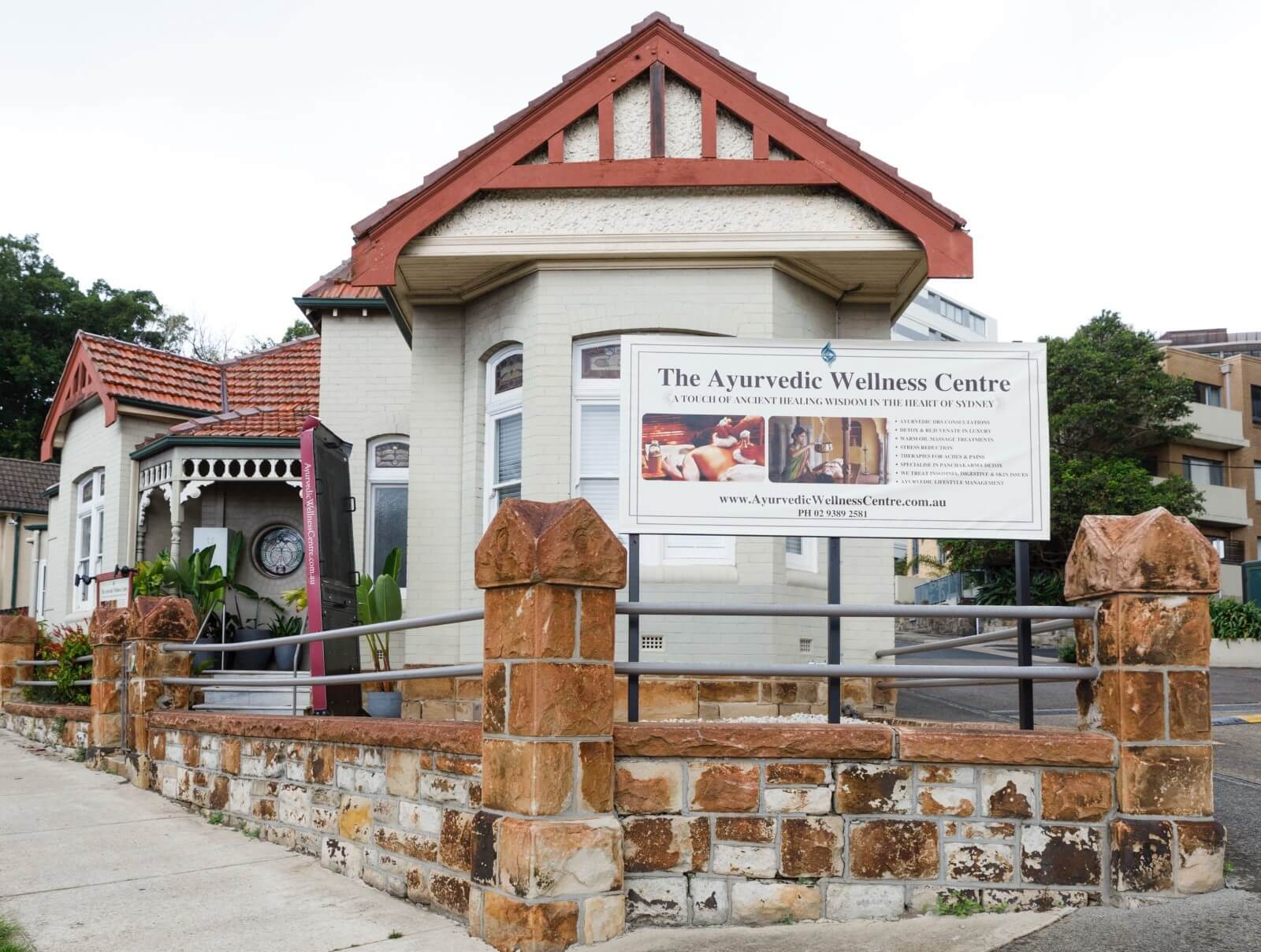
At the Ayurvedic Wellness Centre in Bondi Junction, our qualified Ayurvedic doctors will create a tailored wellness and diet plan to support your bones and overall health.
✨ We offer in-person and zoom consultations. For more information or to begin your personalised plan, email us at info@ayurvedicwellnesscentre.com.au or visit our website at www.ayurvedicwellnesscentre.com.au.
Frequently Asked Questions (FAQs)
Can Ayurveda reverse osteoporosis?
While Ayurveda may not completely reverse advanced osteoporosis, it can slow down its progression, reduce symptoms, and improve quality of life by nourishing bone tissue and correcting underlying imbalances.
Are Ayurvedic calcium supplements safe?
Yes, Ayurvedic calcium sources like Praval Bhasma and Shankha Bhasma are natural, bioavailable, and safe when prescribed by a qualified doctor.
What kind of diet helps in osteoporosis?
A Vata-pacifying diet with plenty of warm, nourishing foods, healthy fats like ghee, calcium-rich ingredients, and good protein is ideal.
Is Panchakarma recommended for osteoporosis?
Yes, but only under professional supervision. Basti (medicated enema therapy) is especially helpful for balancing Vata and nourishing Asthi Dhatu.
Do I need to continue herbs long term?
It depends on your condition. After initial therapy, maintenance herbs and Rasayanas treatments may be recommended to keep bones strong and prevent recurrence.
Can yoga really help?
Absolutely! Yoga improves posture, flexibility, circulation, and builds muscle strength, which indirectly supports your bones and prevents falls.