Understanding the Healing Crisis
During the Panchakarma process, your body undergoes a series of specialized treatments that aim to dislodge and eliminate deep-seated toxins (known as ama) from the tissues. These toxins—accumulated from stress, poor diet, pollution, and unresolved emotions—are gently brought into the digestive tract and eliminated from the body using specific therapies like Vamana (therapeutic emesis), Virechana (purgation), and Basti (enemas).
But as this detoxification takes place, something known as a healing crisis may occur.
What Is a Healing Crisis?
A healing crisis is a temporary physical, emotional, or mental reaction that occurs when the body is ridding itself of stored toxins. You may feel flu-like symptoms, such as mild fever, fatigue, headaches, body aches, insomnia, or irritability. Emotionally, you might feel a heightened sense of vulnerability or even sadness. These reactions aren’t setbacks—they are signs that your body is processing and healing on a cellular level.
While it may feel uncomfortable, the healing crisis is a positive indicator of your body’s intelligence, resilience, and commitment to eliminating what no longer serves it1.
Tip: Have regular check-ins with your Ayurvedic therapist during this stage—they will support you with remedies, herbal teas, and emotional reassurance.
Your ‘At Home’ Treatment Support
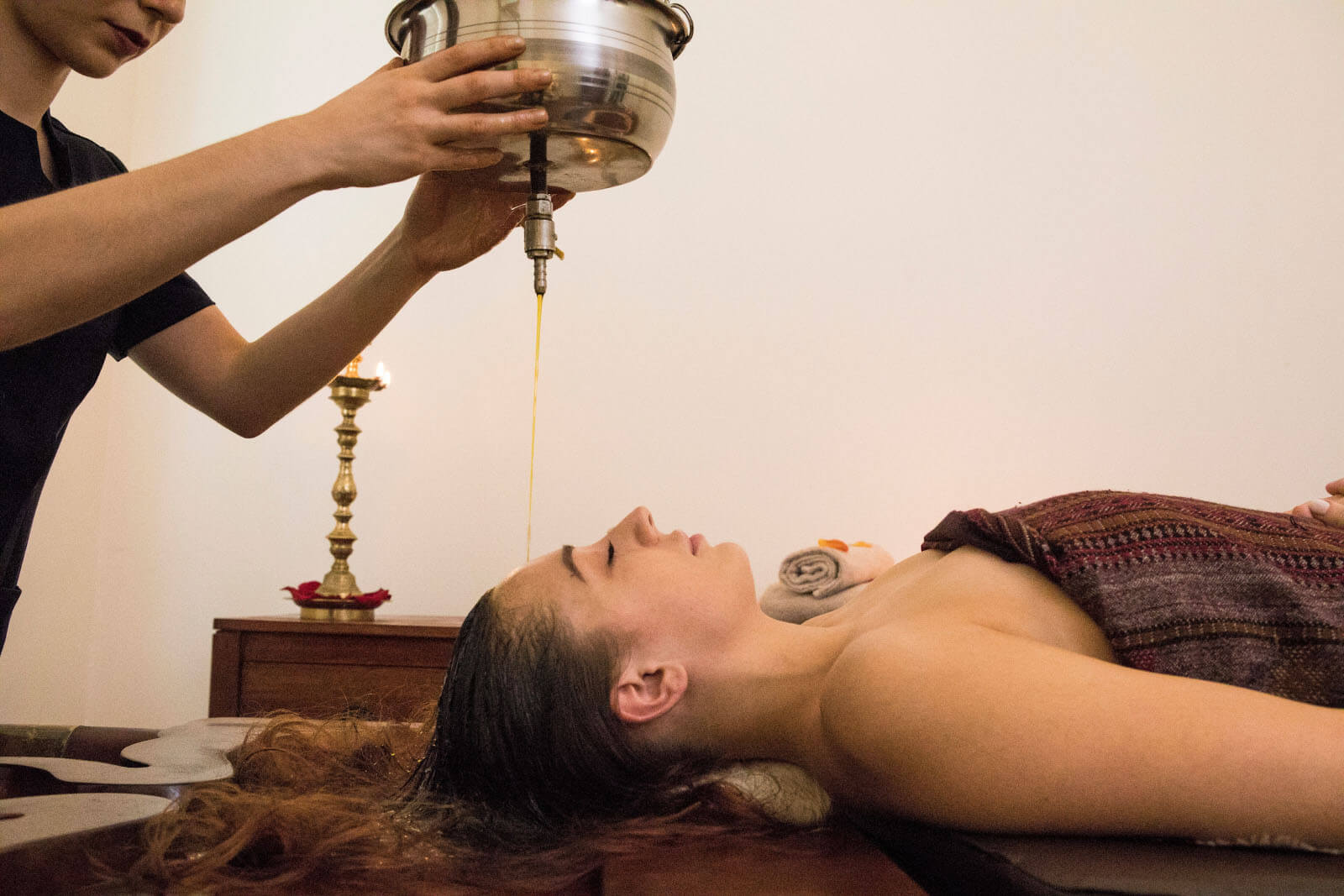
Although you may be visiting the clinic for daily sessions—like Abhyanga (warm oil massage), Swedana (herbal steam), and Shirodhara (medicated oil poured on the forehead)—a large part of your Panchakarma success relies on what you do outside the treatment room.
Here are simple but effective at-home practices to deepen your detox:
- Be kind and gentle with yourself. You are healing—avoid overworking or emotional overload.
- Stay hydrated. Drink warm water, herbal teas like ginger or fennel, and fresh, organic vegetable broths or juices.
- Eat light. Follow a sattvic (pure and light) diet consisting of kitchari, steamed vegetables, and warm soups.
- Get plenty of rest. Your body needs energy to heal. Naps and early nights are encouraged.
- Practice light movement. Gentle yoga, pranayama (breathing techniques), or meditation will help regulate your nervous system.
This is your time to reconnect with stillness and simplicity. Consider journaling your experiences, spending time in nature, and unplugging from unnecessary digital distractions.
Completing Your Panchakarma: Rejuvenation Begins
Once the detox phase ends, you’ll enter the final step of your Panchakarma journey: Rasayana, or rejuvenation.
This stage includes:
- A mild fasting and liver flush, designed to support the final elimination of toxins.
- A rejuvenation program, including specific herbal formulations and dietary suggestions to rebuild ojas—your vital energy and immunity.
- Personalized guidance for your daily routine (Dinacharya) and seasonal routine (Ritucharya), helping you transition into post-treatment life with balance and clarity.
What Should You Wear to a Panchakarma Appointment?
This is a common and practical question! Panchakarma is an oily process—literally—so here’s what we recommend:
- Wear old, loose, and comfortable clothes you don’t mind getting stained with herbal oils.
- Bring a towel, change of clothes, and toiletries, as you may need to shower afterward.
- Consider wearing a headscarf or cap to protect your oiled hair.
- Leave jewelry and perfumes at home.
- Come with an open mind and no expectations—your body knows what to do.
The Emotional Reset
What surprises many clients is how emotionally transformative Panchakarma can be. Ayurveda views the body and mind as one—so when the body cleanses, so do the thoughts and emotions. It’s not uncommon to release old patterns, cry unexpectedly, or experience vivid dreams. These are signs that emotional blocks are dissolving.
Post-treatment, many people experience:
- Enhanced clarity and decision-making
- A sense of calm and groundedness
- Renewed emotional connection with loved ones
- A deeper spiritual awareness
We encourage you to stay curious and gentle during this tender and profound phase.
Let Your Healing Continue
Panchakarma is not a “quick fix.” It is a catalyst for a new way of living—one rooted in balance, awareness, and connection to your inner rhythms. Post-treatment life is about integration, not perfection. Keep listening to your body. Keep showing up for yourself.
And remember, you are supported—our Ayurvedic team is here to walk with you long after your sessions are complete.
FAQs
1. Is it normal to feel worse before feeling better during Panchakarma?
Yes. This is known as a healing crisis and is a sign that your body is processing and eliminating toxins effectively. The symptoms are temporary.
2. How long do Panchakarma effects last?
When followed with proper diet and lifestyle adjustments, Panchakarma benefits can last several months. Seasonal treatments help maintain the results long-term.
3. Can I work or exercise during Panchakarma?
It’s recommended to avoid strenuous work or exercise. Light movement like walking or gentle yoga is best. Rest is key to healing.
4. What foods should I eat after Panchakarma?
Stick to warm, light, and nourishing foods. Kitchari, steamed vegetables, ghee, and herbal teas are ideal during the transition phase.
5. When should I book my next Panchakarma?
Many people schedule Panchakarma seasonally—at the change of seasons or once or twice a year, depending on their constitution and health concerns.
Testimonials:
https://www.youtube.com/watch?v=1A6bk0qyCXk&t=164s
https://youtu.be/eFOc9AgLnjA?si=0xnSCMwHzA6qP-5J
https://youtu.be/j7DMsNWRwRU?si=29RRJn5Dyy1vbbmk
https://youtu.be/F1jGaG4HwvE?si=ERt5kb7RkAYnp-s0
https://maps.app.goo.gl/94gdjN9juN3jAq2ZA
https://maps.app.goo.gl/vfQXc3vwVC5DXu5w6
https://maps.app.goo.gl/6XHaVGdcwhbCvJqp8
https://maps.app.goo.gl/EHZGbGieUQVTCv8SA
https://maps.app.goo.gl/25PpX1fpbh3ZjMZj6
https://maps.app.goo.gl/VbWjBSotM4AerbXM9
https://maps.app.goo.gl/MP3fTDaigPDss76n6
https://maps.app.goo.gl/VBbkJiKA7mYC2WEcA
Footnotes
- Lad, Vasant. Textbook of Ayurveda: Fundamental Principles. Ayurvedic Press, 2002.
- Frawley, David. Ayurvedic Healing: A Comprehensive Guide. Lotus Press, 2000.