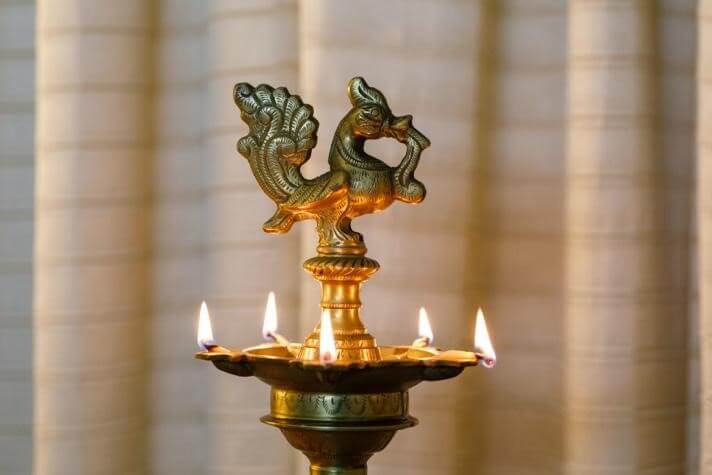
Understanding Agni – The Sacred Fire of Life
In Sanskrit, Agni means “fire,” and in Ayurveda, this fire governs not only digestion of food but also the transformation of thoughts, emotions, and experiences. There are multiple types of Agni in the body:
- Jatharagni – Located in the stomach and intestines; digests food
- Bhutagni – Digests the five elements within food
- Dhatu Agni – Processes nutrients into bodily tissues (dhatus)
- Manas Agni – Digests thoughts and emotions in the mind
When Agni is strong and balanced, it produces Ojas (vitality), mental clarity, stable emotions, and strong immunity. When it is weakened—due to stress, poor eating habits, or unresolved emotions—Ama begins to accumulate.
What Is Ama? The Root of All Disease
Ama is the sticky, toxic residue formed when food, emotions, or thoughts are not properly digested. It may start as mild sluggishness but can evolve into deeper physiological and psychological toxicity.
Signs of Ama accumulation include:
- Coated tongue upon waking
- Brain fog or low mental clarity
- Fatigue, even after sleep
- Gas, bloating, and constipation
- Bad breath or body odor
- Lack of appetite
- Mood swings or emotional heaviness
Ama blocks the flow of Prana (life force) and nutrients throughout the body, clogging the physical and subtle channels (srotas). Eventually, it settles in weak tissues, leading to chronic diseases like arthritis, high cholesterol, skin conditions, autoimmune disorders, and even heart attacks—just as excess fat in arteries clogs the cardiovascular system.
Emotional Ama: The Mind Also Needs to Digest
We often understand Ama in terms of food, but Ayurveda also recognizes mental and emotional Ama. Our hearts and minds are constantly digesting impressions—whether it’s a kind word, a traumatic memory, or a surge of excitement.
If your emotional Agni is weak:
- You hold on to unresolved grief, guilt, or anger
- Feelings stay buried, creating emotional stagnation
- Your responses become irrational or disproportionate
- You feel disconnected, emotionally numb, or chronically anxious
Over time, this emotional Ama can manifest physically—impacting sleep, immunity, digestion, and cardiovascular health. Healing requires both physical and emotional cleansing.
Enter Panchakarma: The Ultimate Reset Button
Panchakarma is a fivefold Ayurvedic detox program tailored to remove Ama from the body and restore balance to the Doshas (Vata, Pitta, and Kapha). It is a systematic, natural, and time-tested therapy that not only purifies but also rejuvenates tissues, enhances Agni, and revitalizes energy.
The Five Actions (Pancha + Karma)
- Vamana (Therapeutic Vomiting) – For Kapha disorders; clears upper GI toxins
- Virechana (Purgation Therapy) – For Pitta-related toxicity; cleanses liver and intestines
- Basti (Medicated Enemas) – Highly effective for Vata disorders and chronic diseases
- Nasya (Nasal Oil Therapy) – Clears toxins from the head and sinuses
- Raktamokshana (Bloodletting) – Rarely used, but effective in blood-related toxicity
Note: Not every patient undergoes all five therapies. A custom Panchakarma protocol is designed after thorough Ayurvedic consultation.
How Panchakarma Works
- Poorva Karma (Preparation Phase)
Before deep cleansing, the body is prepared through:
- Snehana – Internal and external oleation using herbal oils and ghee
- Swedana – Herbal steam therapy to mobilize toxins.
This phase softens Ama and brings it into the GI tract for elimination.
- Pradhana Karma (Main Cleansing Therapies)
Depending on the condition, selected Panchakarma procedures are administered under supervision. These treatments remove the loosened toxins via the appropriate channels.
- Paschat Karma (Rejuvenation Phase)
Once toxins are removed, the body is gently guided into a healing and rebuilding phase. Special Rasayana (rejuvenating herbs), light sattvic meals, meditation, and rest are encouraged.
Should You Consider Panchakarma?
Absolutely—especially if you:
- Feel chronically tired, anxious, or mentally foggy
- Suffer from skin issues, joint pain, or hormonal imbalances
- Have digestive problems like bloating, constipation, or IBS
- Are recovering from illness, surgery, or burnout
- Want a seasonal detox to support immunity and mental clarity
The beauty of Panchakarma is that it addresses the root cause, not just symptoms. Most people experience profound results—greater energy, better sleep, improved digestion, balanced emotions, and a renewed connection to their body.
Initial Consultation: What to Expect
A Panchakarma journey begins with a one-on-one consultation with an Ayurvedic doctor, who will assess your Dosha constitution, imbalances, and lifestyle. Based on this, a personalized plan is created involving:
- Appropriate therapies
- Herbal and dietary prescriptions
- Daily routines and home support
- Recommendations for essential oils or self-care rituals
Every detail is curated for your body’s needs, lifestyle, and healing goals.
Frequently Asked Questions (FAQs)
How often should I do Panchakarma?
Ideally once or twice a year—at season changes (spring or autumn) to reset digestion and immunity. However, frequency depends on your health status and goals.
Can I do Panchakarma at home?
Some preparatory steps and follow-up (e.g., dietary changes, Abhyanga, certain herbs) can be done at home. However, core cleansing therapies must be guided by an Ayurvedic professional.
Is Panchakarma suitable for everyone?
Yes, but it must be personalized. Children, elderly, and those with certain conditions may need modified, gentle protocols.
How long is the Panchakarma treatment?
Typically 7 to 21 days, depending on your health, response to therapy, and treatment goals.
Will I experience detox symptoms?
Mild symptoms like fatigue, emotional release, or changes in digestion are possible but temporary. These are signs of healing and toxin release.
Can Panchakarma help with mental health issues?
Yes. Panchakarma supports mental clarity, emotional release, and stress relief—making it ideal for people with anxiety, depression, or burnout.
Burn Bright Again
Ayurveda reminds us that when Agni burns bright, we are energized, joyful, clear, and alive. When Ama accumulates, we lose that spark—physically and emotionally.
Panchakarma is the sacred act of rekindling your inner fire, cleansing the blocks that dim your vitality. Whether you seek a physical detox, emotional healing, or preventive wellness, Panchakarma offers a powerful reset rooted in ancient science and timeless wisdom.
For personalized Panchakarma programs, consultations, or seasonal detox plans, reach out to us at:
📩 info@ayurvedicwellnesscentre.com.au
🌐 www.ayurvedicwellnesscentre.com.au
Let us guide you back to balance and radiant health—from the inside out.