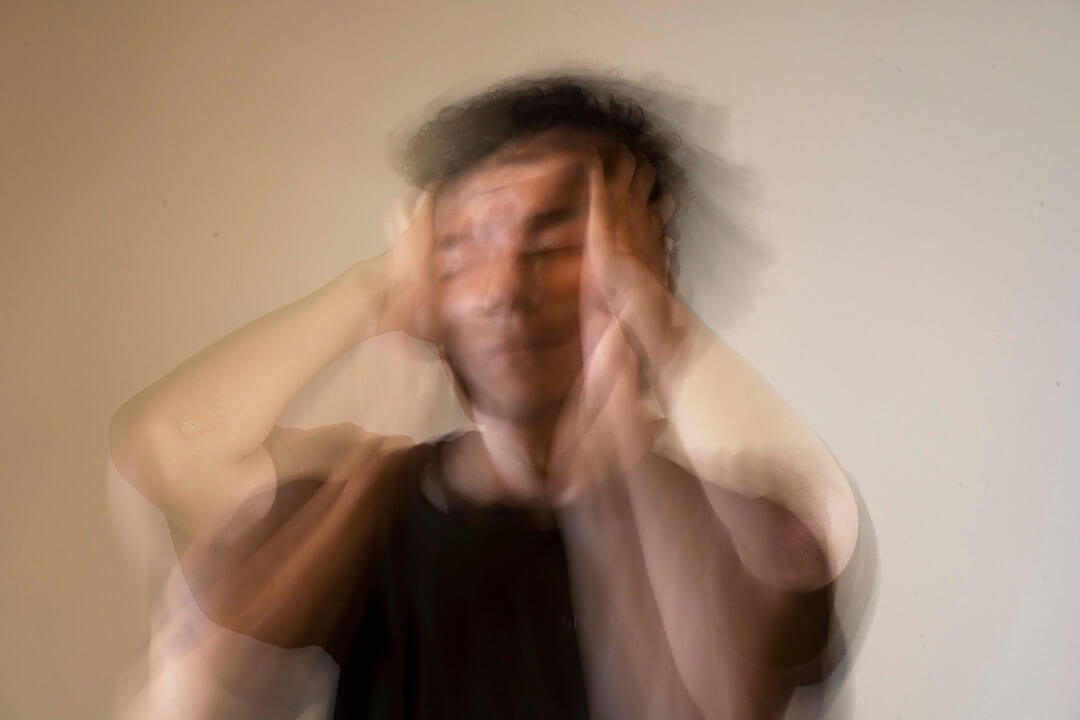
Understanding OCD Through the Ayurvedic Lens
In Ayurvedic philosophy, mental health disorders like OCD are rooted in an imbalance of the doshas—Vata, Pitta, and Kapha—which are the three primary energies that govern all physical and mental processes.[¹] When these doshas are disturbed, it leads to accumulation of mental toxins (ama), disruption in pranic energy, and disharmony in the mind-body network.
- Vata Imbalance – leads to restlessness, fear, anxiety, and racing
- Pitta Imbalance – manifests as obsessive tendencies, irritability, and
- Kapha Imbalance – contributes to sluggishness, attachment, and repetitive
A combination of Vata and Pitta imbalances is often observed in OCD patients, resulting in overactive thoughts and a need to control or correct them through compulsive acts.
Ayurvedic Causes of OCD
According to classical Ayurvedic texts, the root causes of mental disorders like OCD include:
- Poor digestion leading to ama (toxins) accumulation
- Chronic stress and overstimulation of the senses
- Irregular sleep patterns
- Improper lifestyle and diet
- Lack of grounding and spiritual connection
Treatment Goals in Ayurveda
Ayurvedic treatment aims to:
- Balance the aggravated doshas
- Clear accumulated toxins from the body and mind
- Nourish the nervous system
- Strengthen mental resilience and emotional stability
- Promote sattva (clarity and balance in the mind)
Ayurvedic Therapies for OCD
Ayurvedic practitioners use a multi-pronged treatment approach, customized to each individual’s constitution (prakriti) and current imbalances (vikriti). Here are some of the most effective Ayurvedic treatments for OCD:
1. Shirodhara
This deeply calming therapy involves the gentle pouring of warm herbal oil over the forehead (third eye area). It soothes the overactive nervous system, promotes mental clarity, and reduces anxiety.[²]
Benefits:
- Reduces obsessive thoughts
- Relieves stress and anxiety
- Calms the mind
- Improves sleep quality
2. Abhyanga (Full-Body Massage)
A traditional oil massage using warm herbal oils to calm Vata and Pitta doshas. It rejuvenates the body, improves circulation, and enhances the connection between body and mind.[³]
Benefits:
- Stabilizes emotions
- Eases restlessness and tension
- Supports healthy nervous system function
3. Nasya (Nasal Therapy)
Administering medicated oils or herbal preparations through the nose helps cleanse the mind channels and balance emotional disturbances.
Benefits:
- Clears mental fog and obsessive thoughts
- Rejuvenates the brain and sensory organs
- Alleviates emotional blockages
4. Herbal Remedies
Ayurvedic doctors may prescribe a combination of herbs to support the nervous system and balance the doshas:
- Ashwagandha – Reduces cortisol and promotes calmness
- Brahmi – Enhances mental clarity and reduces anxiety
- Jatamansi – Calms the mind and promotes emotional stability
- Shankhpushpi – Nourishes the brain and improves cognition[⁴]
5. Panchakarma Detox Therapies
These are deeply cleansing therapies that eliminate toxins from the mind and body. Panchakarma helps restore doshic balance and promotes sattvic mental qualities.
Recommended Panchakarma Therapies:
- Virechana (Purgation)
- Basti (Medicated Enema)
- Shirodhara
Lifestyle and Diet Recommendations
Ayurveda places equal importance on daily habits and routines. Here are some recommendations for managing OCD:
Diet:
- Favor warm, grounding, and nourishing foods
- Avoid stimulants like caffeine and sugar
- Include spices like cumin, coriander, and turmeric to support digestion
Lifestyle:
- Practice regular meditation and pranayama (breathwork)
- Maintain a regular sleep-wake schedule
- Avoid sensory overload (limit screen time and multitasking)
Yoga and Mindfulness:
Gentle yoga poses and mindfulness practices are highly effective in calming the nervous system and improving self-awareness.
Recommended Poses:
- Child’s Pose (Balasana)
- Legs-up-the-wall (Viparita Karani)
- Seated Forward Bend (Paschimottanasana)
FAQs
- Can Ayurveda completely cure OCD? Ayurveda aims to manage the symptoms and root causes of OCD holistically. While complete cure depends on individual constitution and severity, many people experience significant improvement in quality of
- How long does Ayurvedic treatment take to show results? Most people begin to notice changes within a few weeks. However, deep healing may take 3–6 months or longer, depending on the severity of the imbalance.
- Are Ayurvedic herbs safe to use alongside conventional medication? Yes, but it is essential to consult with both your Ayurvedic practitioner and primary healthcare provider to ensure safety and proper integration.
- Is Panchakarma safe for people with mental health conditions? When administered under expert supervision, Panchakarma is safe and highly beneficial for mental health. It should always be done under the guidance of a trained Ayurvedic
- Can children and adolescents with OCD undergo Ayurvedic treatments? Yes, Ayurvedic approaches can be adapted for younger A proper consultation will help design a safe and effective plan.
Final Thoughts
OCD can be deeply challenging, but with the right support and holistic guidance, healing is possible. Ayurveda offers a compassionate, integrative approach that addresses the root causes of mental imbalance while nurturing the mind, body, and spirit. If you’re seeking a natural and sustainable path to emotional well-being, Ayurveda may hold the key.
Footnotes:
[¹] Charaka Samhita – Sutrasthana Chapter 1, Dosha Theory
[²] Chopra, Deepak. “Perfect Health: The Complete Mind-Body Guide” [³] Dr. David Frawley, “Ayurvedic Healing: A Comprehensive Guide”
[⁴] Vasant Lad, “The Complete Book of Ayurvedic Home Remedies”