
What Dosha (Body Type) Are You?
Ayurveda, the ancient Indian system of holistic health, teaches that every individual is born with a unique combination of energies that shape our physical, mental, and emotional well-being. These energies are known as the doshas. According to Ayurveda, the entire universe is composed of five elements—ether, air, fire, water, and earth. These elements influence the doshas, which are the fundamental bioenergies in our bodies.
In this system, the three primary doshas are:
- Vata – The energy of movement (Ether + Air)
- Pitta – The energy of transformation (Fire + Water)
- Kapha – The energy of cohesion (Water + Earth)
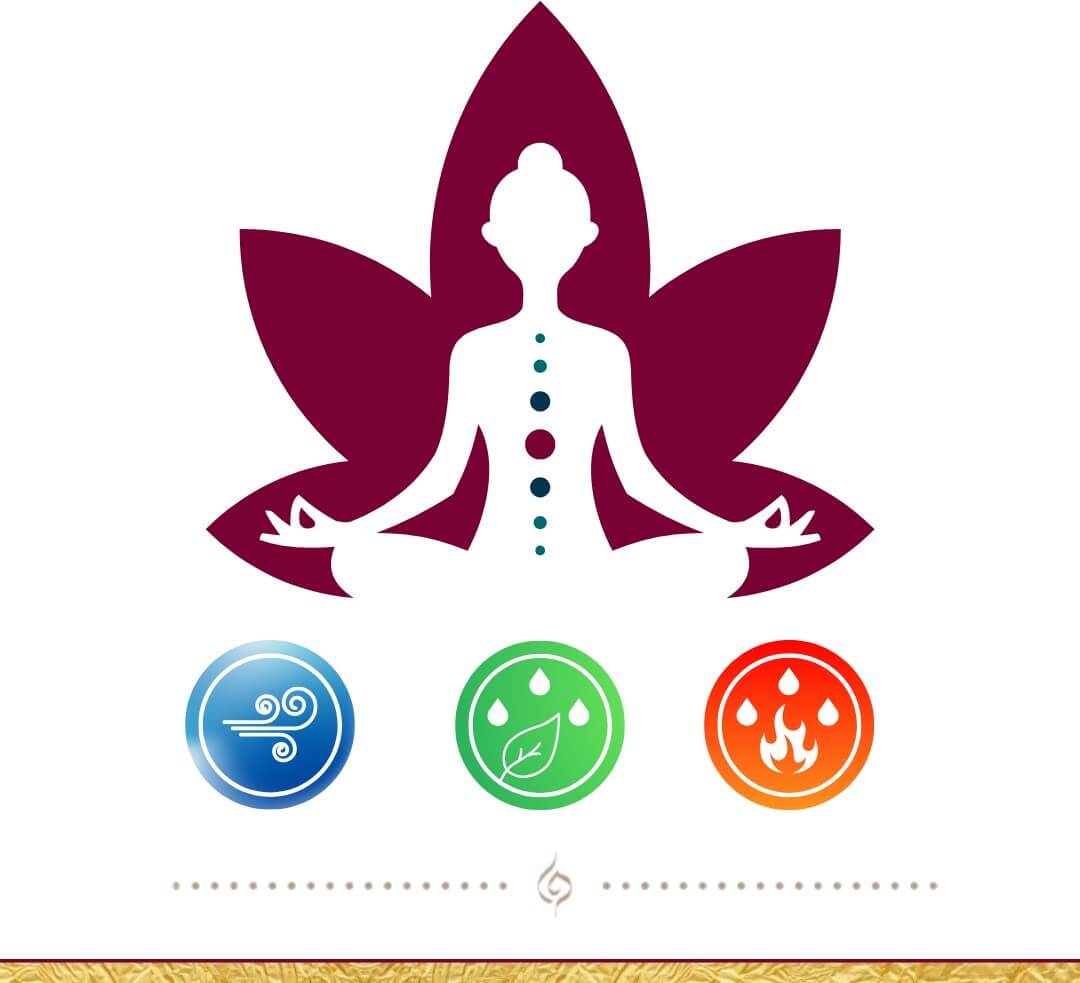
These doshas determine our basic nature, physical characteristics, and even our emotional and psychological responses. Understanding your dosha balance is the key to unlocking a personalized approach to diet, lifestyle, and wellness.
The Three Doshas
1. Vata Dosha (Ether + Air)
- Key Principle: Movement
- Characteristics: Light, dry, cool, rough, mobile
- Physical traits: Thin build, dry skin, and hair, cold hands and feet, irregular sleep patterns.
- Mental traits: Quick thinker, creative, and prone to anxiety or
- Imbalances: If imbalanced, Vata may lead to issues such as anxiety, insomnia, and digestive irregularities.
2. Pitta Dosha (Fire + Water)
- Key Principle: Transformation
- Characteristics: Hot, sharp, oily, intense, and passionate
- Physical traits: Medium build, warm body temperature, oily skin, prone to acne or rashes, strong appetite.
- Mental traits: Focused, intelligent, and prone to irritability or
- Imbalances: When out of balance, Pitta may result in digestive problems, skin irritations, or anger issues.
3. Kapha Dosha (Water + Earth)
- Key Principle: Cohesion
- Characteristics: Heavy, moist, cool, stable, and calm
- Physical traits: Larger build, smooth skin, thick hair, and tendency to gain weight easily.
- Mental traits: Calm, steady, and nurturing, but can also become lethargic or possessive.
- Imbalances: Imbalanced Kapha can lead to weight gain, depression, and respiratory problems.
The Seven Basic Body Types in Ayurveda
- Vata Dominant: People with Vata as the dominant dosha are often slim, energetic, and quick-thinking. However, they may also experience dry skin, digestive issues, and anxiety.
- Pitta Dominant: Pitta-dominant individuals tend to be strong, with a medium build and a good They are often intelligent, determined, and focused but can be prone to stress or irritability.
- Kapha Dominant: These individuals are typically calm, grounded, and stable. They have a strong physical constitution but can be prone to lethargy and weight
- Vata/Pitta (Bidoshic): A mix of Vata and Pitta doshas, these people are often energetic, strong-willed, and quick-thinking. They may experience a combination of Vata-related stress and Pitta-related irritability.
- Pitta/Kapha (Bidoshic): These individuals tend to be practical and grounded with a fiery drive. They may experience both Pitta’s intensity and Kapha’s resistance to change.
- Kapha/Vata (Bidoshic): A combination of Kapha’s steadiness and Vata’s creative energy, these people are often balanced but may experience digestive issues and restlessness.
- Vata/Pitta/Kapha (Tridoshic): The rarest body type, these individuals have a blend of all three doshas, and may experience a variety of physical, mental, and emotional traits depending on their current state of balance.
Prakruti and Vikruti: Understanding Your Dosha
- Prakruti: Your inherent body constitution or dosha balance, determined at This is your natural state and reflects the balance of the three doshas in your body and mind.
- Vikruti: Refers to the imbalances that develop over time due to various external factors such as diet, lifestyle, stress, and environmental influences. These imbalances manifest as physical or emotional health issues.
The Influence of Environment, Lifestyle, and Emotions on Doshas
In Ayurveda, we are not just passive recipients of our doshas. External factors like environment, diet, work conditions, relationships, and emotional states also play a critical role in maintaining or disrupting the dosha balance. The doshas are dynamic, and they can be influenced by:
- Diet: Certain foods can aggravate or pacify specific For example, spicy foods can increase Pitta, while cold and dry foods can increase Vata.
- Lifestyle: Lack of exercise, stress, or excessive activity can disrupt dosha
- Environment: Hot, humid climates may increase Pitta, while cold, dry conditions may increase Vata.
- Emotions: Negative emotions like anger or fear can exacerbate Pitta or Vata
Why Balancing Your Dosha is Important
When your doshas are in balance, you experience greater physical health, mental clarity, emotional stability, and spiritual well-being. However, when the doshas are out of balance, you may experience stress, anxiety, fatigue, digestive issues, or other health problems. Ayurveda’s holistic approach aims to bring the doshas back into harmony, improving overall well-being.
How to Maintain Dosha Balance
- Diet: Follow a diet tailored to your For example, Vata types benefit from warm, moist foods, while Pitta types thrive on cooling, hydrating foods.
- Exercise: Engage in regular physical activity suited to your For example, Vata types may benefit from grounding activities like yoga, while Pitta types may enjoy more vigorous exercise.
- Lifestyle: Establish a regular daily routine to help balance your doshas. This includes eating at regular times, practicing relaxation techniques like meditation, and getting adequate sleep.
- Herbal Remedies: Ayurveda uses herbs and natural remedies to restore balance. These can be tailored to your dosha and health concerns.
- Self-care: Practices like self-massage (Abhyanga), aromatherapy, and meditation can be beneficial for maintaining dosha balance.
Ayurvedic Body Type Test
To understand your dosha balance better, take this simple Ayurvedic body-type test. Think about how you would instinctively react in the following situation:
If you were in a room with a group of friends and a venomous snake suddenly appeared, what would be your instinctive reaction?
- Move quickly to the furthest place in the room away from the snake (Vata: Quick-moving, anxious).
- Find the closest thing to a weapon and deal with the snake (Pitta: Focused, action-oriented).
- Sit back and let others take care of it, moving slowly away from the snake
(Kapha: Calm, stable).
Your response may give you a clue as to which dosha is most dominant in your body and mind.
FAQs: Understanding Your Dosha
1. How do I know my dosha type?
Your Ayurvedic practitioner can help you determine your dosha type through a combination of physical traits, mental and emotional characteristics, and lifestyle habits. Alternatively, you can take a dosha quiz or body-type test to get a general idea.
2. Can my dosha change over time?
Your dosha balance can shift due to factors like aging, diet, lifestyle, and environmental influences. While your inherent dosha (Prakruti) remains constant, your current dosha balance (Vikruti) may fluctuate.
3. Can I have a combination of doshas?
Yes, many people have a combination of doshas. This is known as a bidoshic or tridoshic body type, where two or more doshas are dominant in your constitution.
4. How can I balance my dosha?
Balancing your dosha involves adjusting your diet, exercise, and lifestyle habits. For example, if you have a Pitta imbalance, you may need to reduce spicy foods and focus on cooling, calming activities. If you are Vata-dominant, you might need to prioritize warmth, moisture, and stability.
5. How can Ayurveda help me maintain dosha balance?
Ayurveda offers personalized advice on diet, exercise, and lifestyle changes to maintain balance and prevent health issues. Herbal remedies, self-care practices, and regular Ayurvedic treatments like massage can also help restore and maintain your dosha balance.
Understanding your dosha and maintaining its balance is key to achieving holistic health and wellness in Ayurveda. By aligning with the natural rhythms of your body and the universe, you can enhance your physical, emotional, and mental well-being.

After years studying health care, the drug industry and studying Ayurveda with Deepak Chopra, Rita opened the Ayurvedic Wellness Centre in Bondi Junction in 2011.
The Ayurvedic Wellness Centre has become the preferred establishment in natural and holistic healing. With the warmth, compassion and expertise of our highly trained staff, we offer a truly authentic experience, restoring internal equilibrium, balance and well-being for the mind, body and soul.
- Gut Cleanse Detox - May 12, 2026
- Hot Flashes, Mood Swings, Fatigue? There’s a Better Way Through Menopause - February 25, 2026
- Meet Our Doctor: Dr. Taruna Yadav - May 13, 2025